



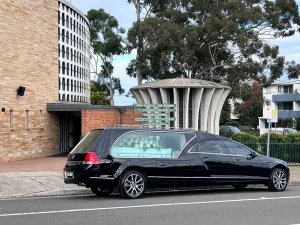
A step-by-step guide for families
Introduction
Losing a loved one is one of the most difficult experiences a family can face. In the first hours and days, it can be overwhelming to know what to do next — especially when emotions are high.
This guide explains, step by step, what to do when someone dies in Sydney, including who to contact, what decisions need to be made, and how a funeral director can help support you during this time.
Step 1: Determine Where the Death Occurred
What you need to do first depends on where your loved one passed away.
If the death occurred at home
- Call the person’s doctor if the death was expected
- If the death was unexpected, call 000 immediately
- Do not move the person until advised
Once the death is confirmed, a funeral director can be contacted to transfer your loved one into care.
If the death occurred in hospital or aged care
Staff will guide you through the immediate steps and help with documentation. You can contact your chosen funeral director at any time — even before discharge arrangements are finalised.
Step 2: Contact a Funeral Director
You can contact a funeral director 24/7 in Sydney.
A funeral director will:
- Transfer your loved one into care
- Explain your options clearly
- Help organise burial or cremation
- Guide you through legal and practical requirements
Many families find it helpful to speak with a funeral director early, even if they are not ready to make decisions immediately.
Step 3: Take Time Before Making Decisions
You do not need to make every decision straight away.
A funeral director can:
- Hold your loved one respectfully while you consider options
- Explain costs upfront
- Arrange services that reflect your wishes, culture, and beliefs
There is no “right” or “wrong” choice — only what feels appropriate for your family.
Step 4: Choose Burial or Cremation
In Sydney, families can choose between:
- Burial
- Cremation (with or without a service)
- Private or memorial services
Your funeral director will explain:
- Timeframes
- Costs
- Cemetery or crematorium options
- Service types (traditional, private, or celebration of life)
Step 5: Notify Family and Close Friends
Once arrangements begin, you may want to notify:
- Immediate family
- Close friends
- Employers or schools
- Religious or community leaders
Many families ask their funeral director to help with:
- Funeral notices
- Service details
- Order of service preparation
Step 6: Legal and Practical Matters
In the days following a death, there are practical matters to attend to, such as:
- Death registration
- Certificates
- Notifying banks and government services
A funeral director can explain what needs to be done and when — you don’t need to handle everything alone.
Support for Families in Sydney
Grief affects everyone differently. Seeking support — whether from family, friends, or professionals — is important.
If you need guidance, reassurance, or simply someone to talk to, compassionate funeral directors are available to help families across Sydney navigate each step with care and dignity.
When You Need Help
If someone has passed away or a death is expected, support is available 24/7.
Speaking with a funeral director does not mean you must make immediate decisions — it simply means you have someone guiding you through what happens next.
📞 Need immediate assistance?
If you need support right now, you can speak with a funeral director for clear guidance and compassionate care.